Teaching

Teaching: Advanced Inorganic and Organometallic Chemistry

Advanced inorganic chemistry, coordination chemistry, organometallic chemistry, catalysis, materials chemistry, and laboratory synthesis.

My teaching focuses on advanced inorganic and organometallic chemistry, with emphasis on structure, bonding, spectroscopy, reactivity, catalysis, and laboratory synthesis. Course discussions are linked to research examples wherever possible, including molecular catalysts, bioinorganic systems, inorganic materials, and reaction mechanisms.

Course areas

  • Coordination chemistry and bonding
  • Organometallic chemistry and catalysis
  • Bioinorganic and medicinal inorganic chemistry
  • Inorganic materials and photochemistry
  • Inorganic synthesis and characterization

Postgraduate and Advanced Courses

Selected postgraduate and advanced courses taught or developed.

PCHY614L · L-T-P-C: 3-1-0-4

Advanced Inorganic Chemistry

Advanced treatment of transition metals, rare-earth chemistry, inorganic clusters, organometallic catalysis, bioinorganic systems, medicinal inorganic chemistry, inorganic materials, and photochemistry.

Transition metals and rare earths Inorganic clusters Organometallic catalysis Bioinorganic systems Medicinal inorganic chemistry Inorganic photochemistry
PCHY502L · L-T-P-C: 3-1-0-4

Inorganic Chemistry

Core postgraduate inorganic chemistry covering main-group chemistry, structure and bonding, inorganic solids, coordination chemistry, organometallic chemistry, and nuclear chemistry.

Main-group chemistry Structure and bonding Inorganic solids Coordination chemistry Organometallic chemistry Nuclear chemistry
TCHY308L · L-T-P-C: 3-1-0-4

Coordination and Organometallic Chemistry

Detailed course on coordination compounds, bonding theories, reaction mechanisms, and organometallic chemistry, including electron counting, carbonyls, metallocenes, carbene complexes, and catalysis-relevant concepts.

Coordination nomenclature Isomerism and bonding CFT, LFT, MO theory Reaction mechanisms Electron counting and carbonyls Metallocenes and catalysis
TCHY306P · L-T-P-C: 0-0-4-2

Inorganic Synthesis Lab

Laboratory course focused on synthesis, purification, and spectroscopic characterization of inorganic and coordination compounds using IR, UV–Vis, magnetic, and related characterization methods.

Cobalt ammine complexes Oxalate and acetylacetonate complexes Schiff-base copper complexes Ferrocene Nickel complexes and CFSE Spectroscopic characterization

Syllabus Focus

Core syllabus modules emphasize conceptual clarity, mechanism-based reasoning, and connections between textbook inorganic chemistry and current research problems.

Structure and Bonding

Crystal field theory, ligand field theory, molecular orbital descriptions, CFSE, spin states, Jahn–Teller effects, and bonding in solids, clusters, and coordination compounds.

Reactivity and Mechanism

Substitution pathways, electron-transfer reactions, trans effect, catalytic cycles, oxidative addition, reductive elimination, migratory insertion, and metathesis.

Research-Linked Topics

Organometallic catalysis, molecular electrocatalysis, bioinorganic model systems, medicinal metal complexes, inorganic materials, perovskites, quantum dots, and inorganic photochemistry.

Classroom Notes

Mechanisms and Orbital Pictures

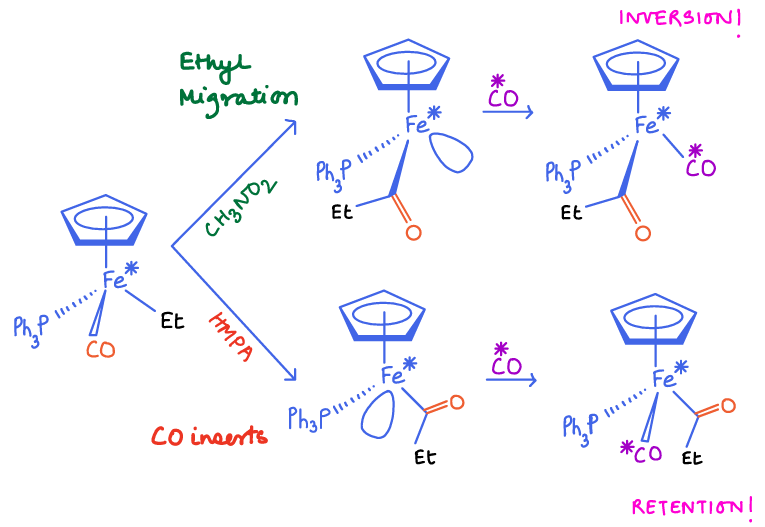
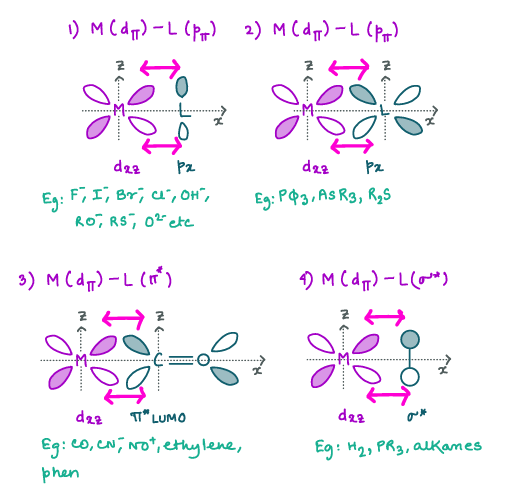
Course discussions often use hand-drawn orbital diagrams, catalytic cycles, electron-counting schemes, and reaction-coordinate logic to connect formal concepts with chemical reactivity.

Sample notes illustrate the style used for metal–ligand π interactions, carbonyl bonding, migratory insertion, hapticity, and organometallic reaction mechanisms.

Outreach & Engagement

Outreach and Engagement

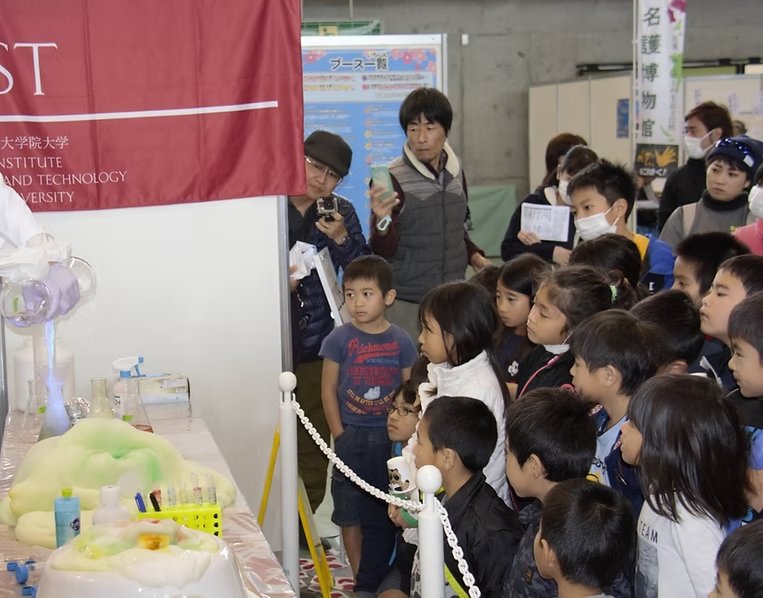
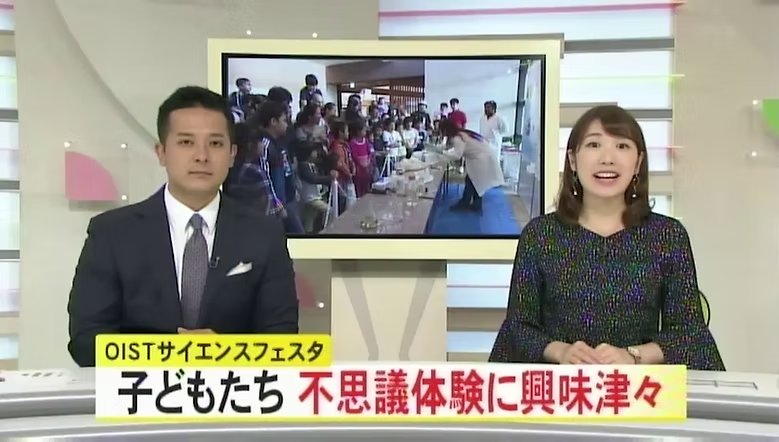
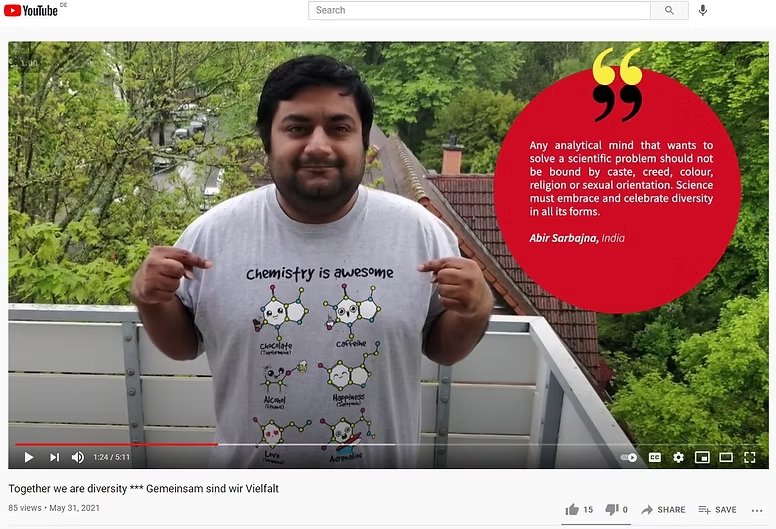
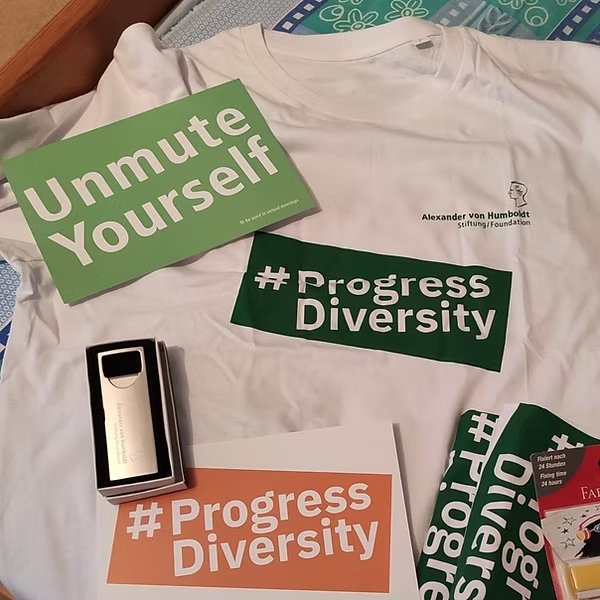
Beyond formal coursework, teaching and mentoring are connected to public science engagement, student outreach, diversity in science, and visual communication of chemical concepts.

Student and Course Queries

Students may contact by email for course-related academic discussions, project inquiries, and research-linked learning opportunities in inorganic, organometallic, and catalytic chemistry.

Email for Course Queries